
The Family We Are Born Into: Why Upbringing Shapes a Child’s Early Years More Than We Realise
- 4 hours ago
- 4 min read
One of the most uncomfortable truths about life is that no child gets to choose the family they are born into.
A child does not choose:
Their parents
Their household environment
Their financial circumstances
The values they are exposed to
The emotional climate at home
The opportunities available to them
Yet these factors often play a profound role in shaping the first chapter of their lives.
This reality can feel unfair. Two children may be born with similar potential, but grow up in vastly different environments. One may be surrounded by encouragement, stability, and opportunity. Another may face challenges that have nothing to do with their own choices or abilities.
While society often celebrates hard work and personal responsibility, it is important to recognise that every child begins the race from a different starting line.
At Educare Tutoring, we believe understanding the influence of upbringing is not about assigning blame or creating excuses. Rather, it is about recognising the important role families play in shaping a child's early development and how parents can positively influence that journey.
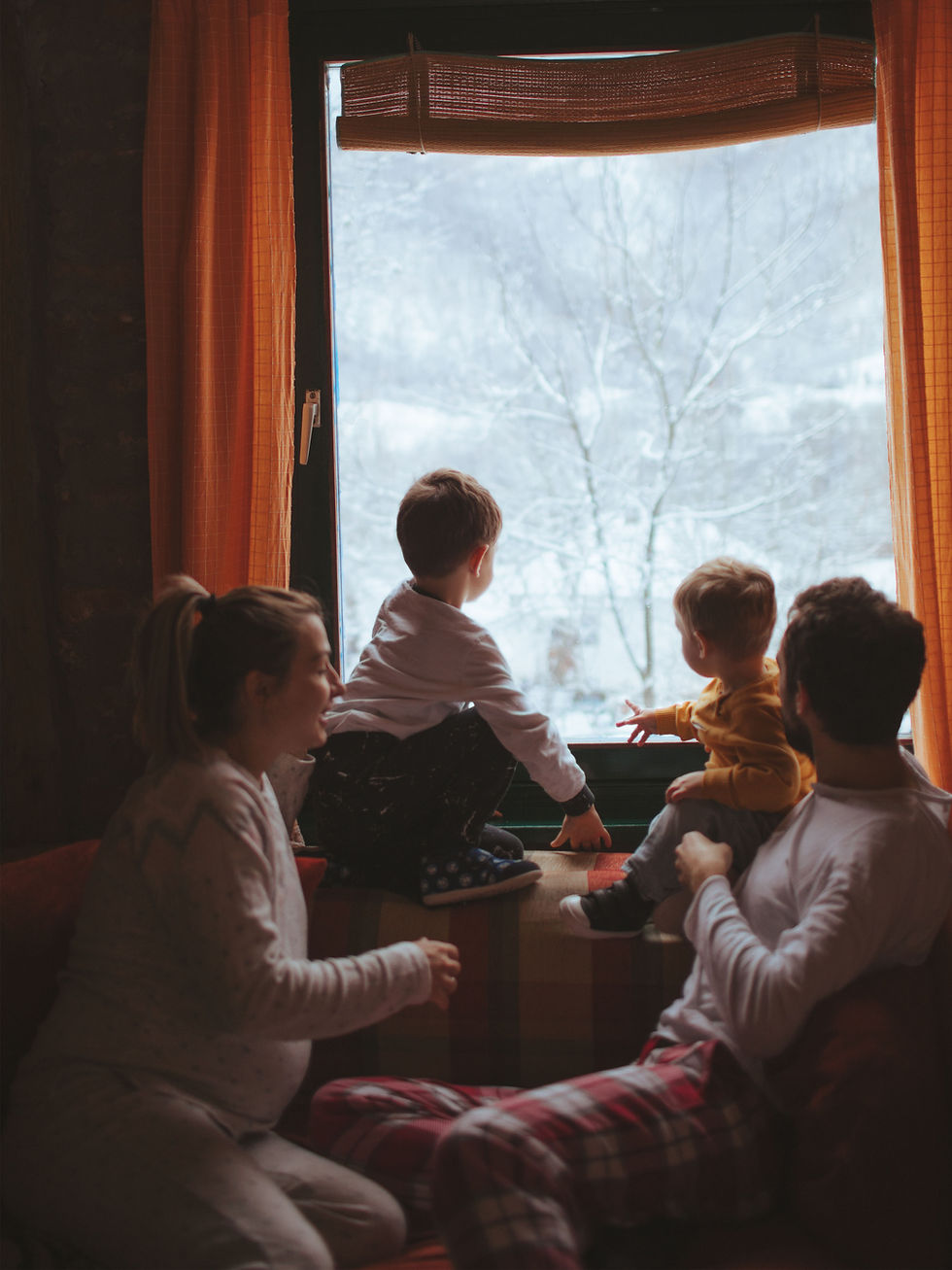
A Child’s First Classroom Is Not School
When people think about education, they often think about classrooms, teachers, and textbooks.
In reality, a child's first classroom is usually home.
Long before formal education begins, children are already learning:
How to communicate
How to manage emotions
How to respond to challenges
How to interact with others
How to view themselves
These lessons are often absorbed quietly through observation rather than instruction.
Children watch how adults:
Handle stress
Resolve disagreements
Speak about others
Approach learning
Respond to setbacks
The family environment becomes the lens through which they first understand the world.
Why Upbringing Matters So Much During Early Childhood
Young children are highly impressionable.
At an early age, they have limited ability to question or challenge the environment around them.
Instead, they often accept what they experience as normal.
A child raised in a household where encouragement is common may develop confidence more naturally.
A child raised in an environment filled with criticism may begin doubting themselves even before entering school.
Similarly, children exposed to:
Reading habits
Positive communication
Emotional support
Healthy routines
often develop different attitudes and behaviours compared to those who grow up without these influences.
This does not mean outcomes are predetermined. However, early experiences can create advantages or challenges that shape future development.
The Reality of Unequal Starting Points
One reason discussions about upbringing can feel uncomfortable is that they highlight inequalities that children themselves did not create.
Some children enter school with:
Strong vocabulary
Extensive exposure to books
Confident communication skills
Stable emotional support
Others may arrive with:
Limited exposure to learning resources
Family stressors
Financial challenges
Lower confidence
These differences are not necessarily reflections of intelligence or potential.
They often reflect differences in environment.
This is why educators frequently observe that children with similar abilities can initially perform very differently depending on their upbringing and circumstances.
Family Influence Extends Beyond Academics
When discussing upbringing, many people focus on academic support.
However, family influence often extends far beyond grades.
The home environment can shape:
Self-esteem
Emotional resilience
Social skills
Work ethic
Confidence
Attitudes towards failure
Relationships with authority
Long-term aspirations
For example, a child who grows up hearing:
"Mistakes are part of learning."
may respond differently to setbacks than a child who grows up fearing criticism whenever mistakes occur.
These subtle differences often influence behaviour long after childhood.
The Good News: Upbringing Is Influential, Not Deterministic
While family environments matter greatly, they do not determine a child's future completely.
This distinction is important.
Some children overcome significant disadvantages and thrive.
Others encounter positive role models through:
Teachers
Mentors
Coaches
Friends
Extended family members
As children grow older, they gradually gain more opportunities to shape their own identities and choices.
However, this does not diminish the reality that early experiences often leave lasting impressions.
Recognising the importance of upbringing is not about saying that children are trapped by their circumstances. It is about understanding that those circumstances matter.
Why This Perspective Matters for Parents
For parents, discussions about upbringing should not create guilt.
Instead, they should encourage awareness.
Many of the most influential aspects of parenting are not expensive or complicated.
Children are deeply affected by:
Feeling heard
Feeling supported
Feeling safe
Being encouraged to learn
Being treated with respect
Having consistent guidance
Parents often underestimate how much everyday interactions shape their children's development.
The conversations around the dinner table.
The way disagreements are handled.
The responses to mistakes.
The emotional atmosphere at home.
These moments collectively form part of a child's upbringing.
Looking Beyond Academic Success
In Singapore's education-focused environment, parents naturally pay attention to academic achievement.
However, upbringing influences many aspects of development that cannot be measured through examinations.
A child's:
Confidence
Emotional intelligence
Resilience
Integrity
Ability to form relationships
often emerge from experiences both inside and outside the classroom.
Academic success is important, but so is helping children develop the emotional and social foundations that support long-term well-being.
At Educare Tutoring, we believe education works best when academic development is complemented by positive family support and character growth.
The Responsibility and Opportunity of Parenthood
Perhaps the most powerful aspect of this discussion is recognising that parents play a role in shaping experiences that children did not choose for themselves.
Children arrive in the world without control over their circumstances.
Parents, however, have opportunities every day to influence those circumstances positively.
No parent is perfect.
Every family experiences challenges, mistakes, and periods of difficulty.
Yet even small efforts to create supportive, respectful, and encouraging environments can have meaningful effects over time.
Final Thoughts
The family a child is born into is one of the few aspects of life they do not choose, yet it often shapes their earliest experiences, beliefs, habits, and opportunities.
This reality can feel unfair because not all children begin with the same advantages. Some enter the world surrounded by resources and support, while others face obstacles through no fault of their own.
At the same time, recognising the importance of upbringing highlights the powerful role parents play in a child's development.
While no family can provide perfect circumstances, the emotional environment, values, and support children receive at home often leave lasting impressions that influence far more than academic outcomes.
Ultimately, the goal is not to create perfect childhoods, but to create environments where children feel supported, valued, and equipped to grow into confident and capable individuals.


Comments